Outdoor lighting helps your home feel welcoming after sunset, improves safety around doors and walkways, and highlights architecture and landscaping. From outdoor wall lights at the front entry to patio string lights overhead, the right fixtures create a layered glow that looks intentional, not overdone.
Outdoor Lighting for Every Exterior Zone
Outdoor Wall Lights for Entries, Garages, and Side Doors
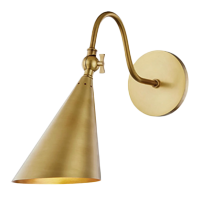
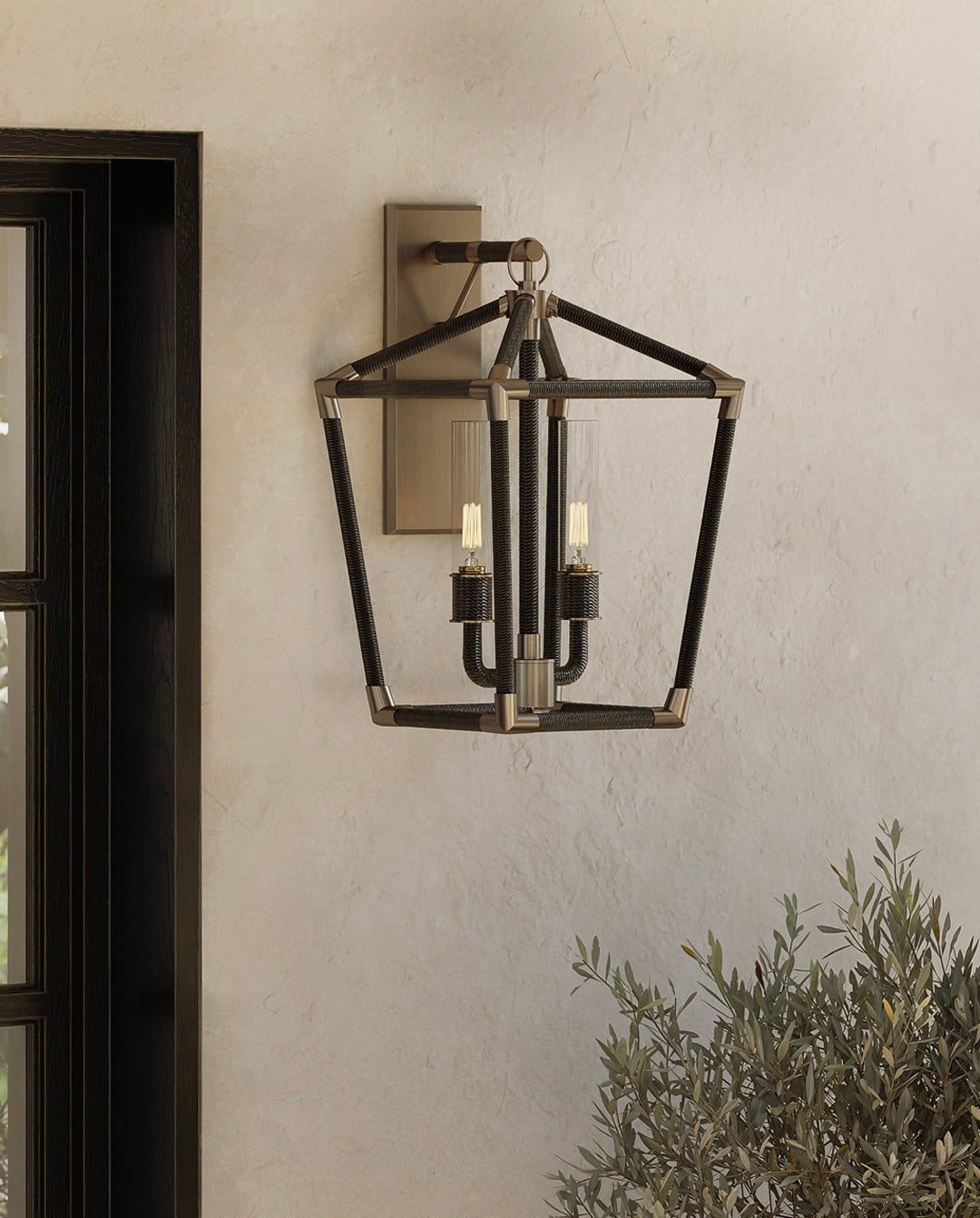
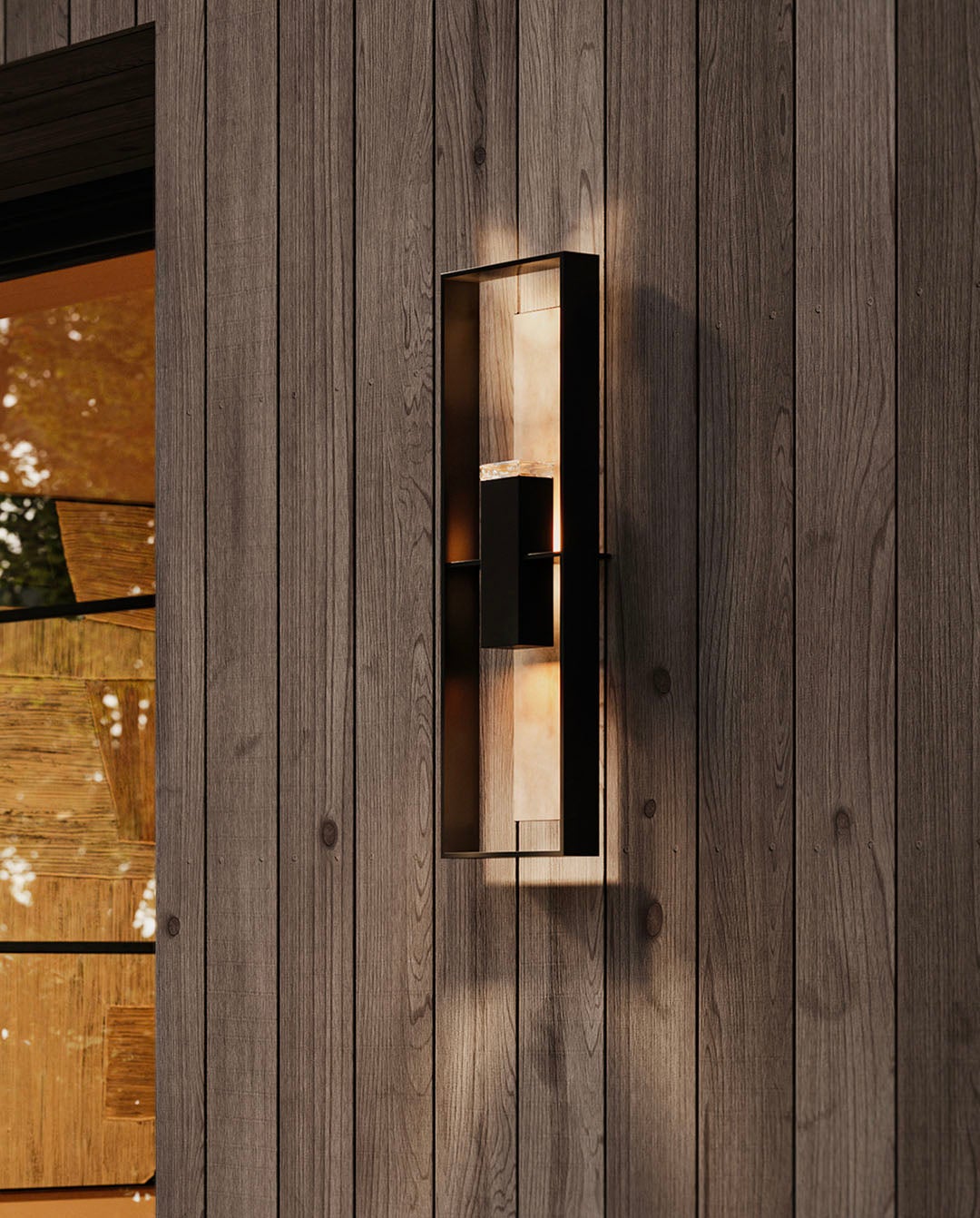
Outdoor wall lights (often called outdoor wall sconces) are the workhorses of exterior lighting. They define the front door, brighten garage doors for visibility, and guide guests along side entrances.
Best uses
- Front porch and entry columns
- Garage doors (one on each side, or centered between multiple bays)
- Back doors, mudrooms, and side gates
Design tip: Match the fixture scale to the door and trim. A wall light that’s too small reads as an afterthought; one that’s too large can feel overpowering.
Outdoor Lanterns for Classic Curb Appeal
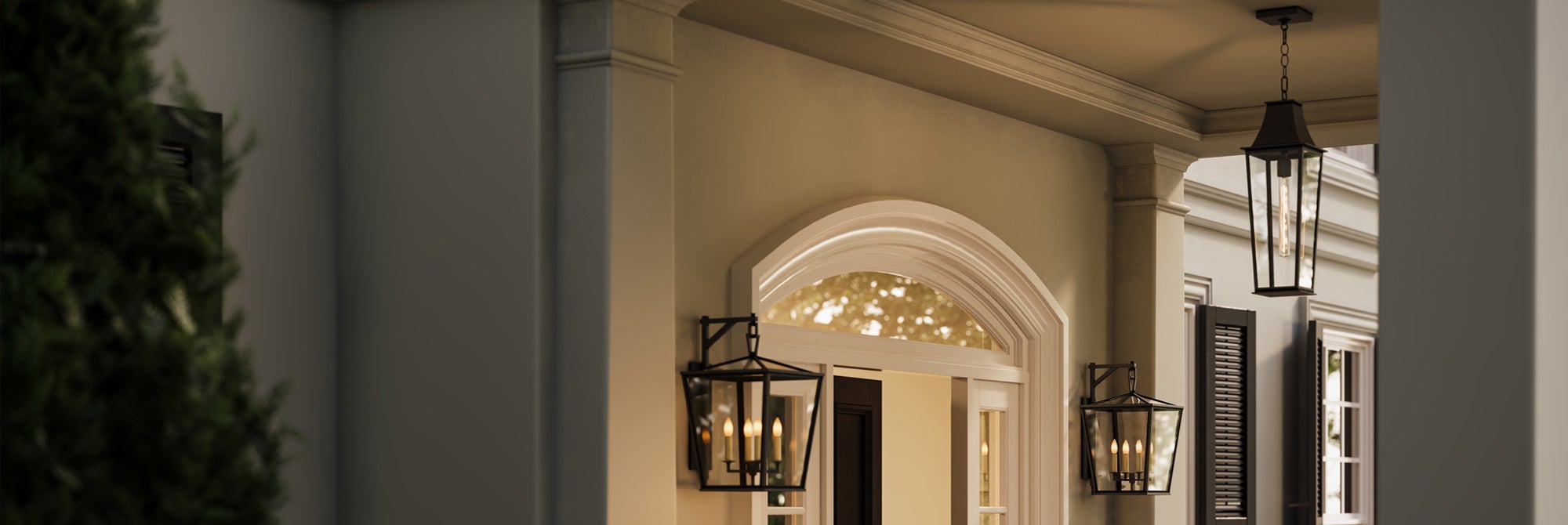
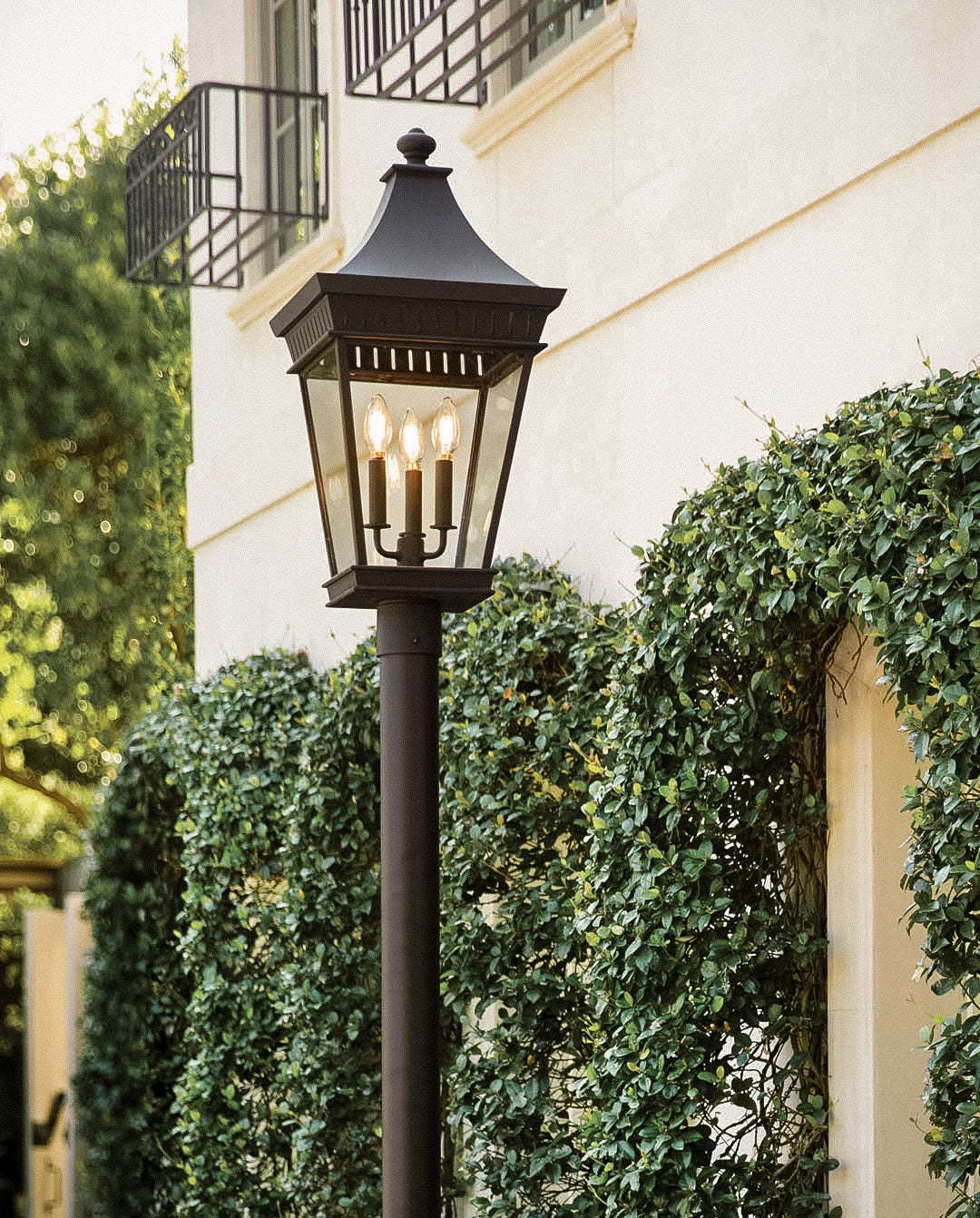
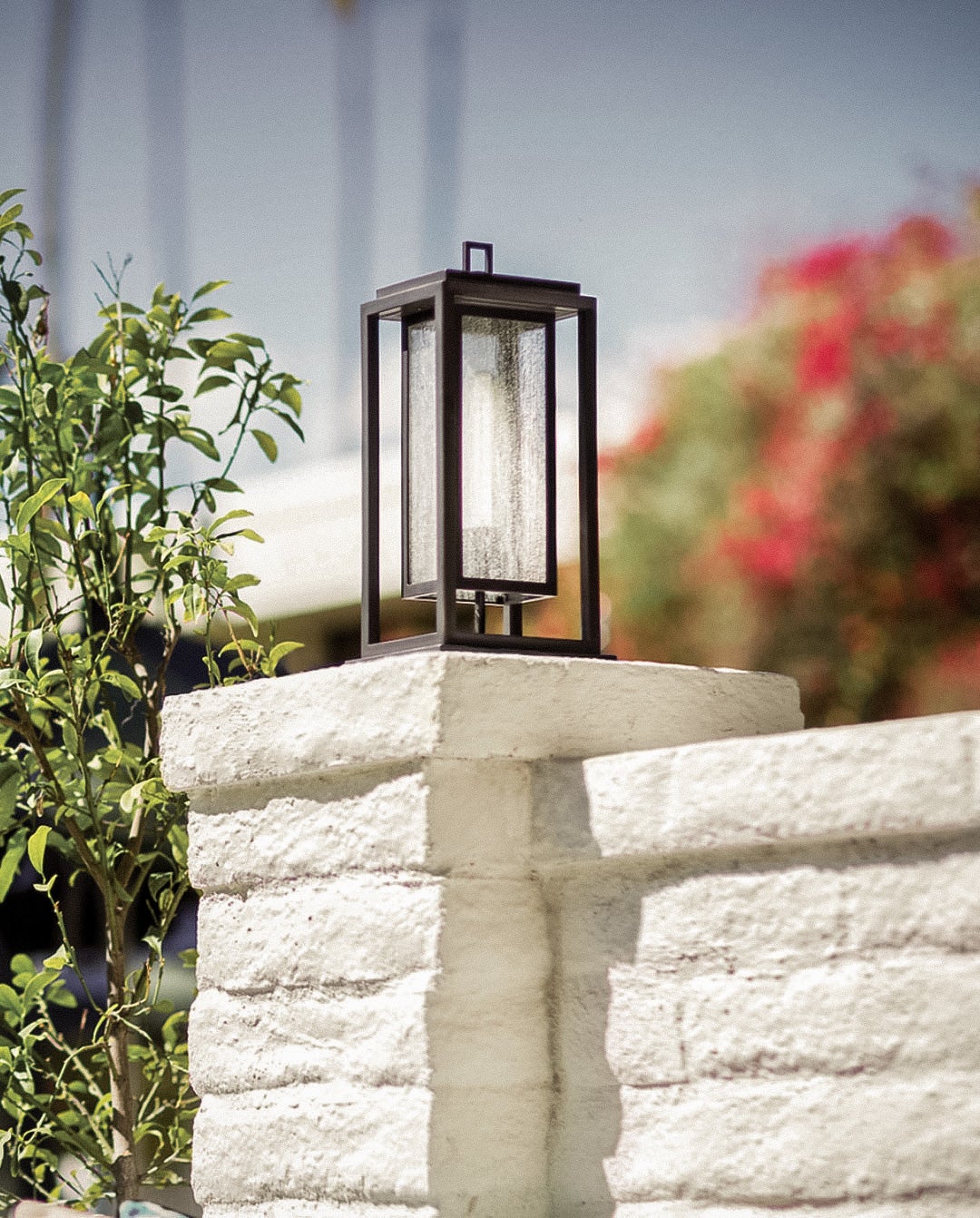
Outdoor lanterns add traditional character and a familiar, homey glow. They work beautifully as wall-mounted fixtures by the front door, on posts along a driveway, or as statement pieces near a covered entry.
Why they work
- Timeless silhouettes that complement many home styles
- Great for warm-toned light, seeded glass, and decorative details
- Easy to coordinate across an exterior (entry + garage + patio)
Outdoor Hanging Lights for Covered Porches and Pergolas
Outdoor hanging lights bring downlight exactly where you need it, especially over a porch seating area or outdoor dining table. Look for proportions that balance the space, and hang at a height that feels comfortable for conversation.
Where they shine
- Covered front porches and porticos
- Pergolas or roofed patios
- Outdoor kitchens and dining zones
Placement note: Hanging fixtures need overhead structure and the right rating for the location (more on damp vs. wet below).
Patio String Lights for Soft Ambience
Patio string lights are all about mood. They’re ideal for casual entertaining and a relaxed glow, especially when paired with more functional lighting like wall sconces or path lights.
Easy Ways to Use Patio String Lights
- Zigzag across a patio for a festive canopy
- Outline a pergola or fence line for definition
- Drape along a railing to soften hard edges
Layering tip: String lights look best when they’re not doing all the work. Combine them with a few task-focused fixtures so the patio feels bright enough to use, but still warm.
Build a Layered Outdoor Lighting Plan
The most inviting exteriors use lighting in layers, similar to interior design.
- Ambient: overall glow (porch ceiling lights, lanterns, hanging fixtures)
- Task: focused light where you need it (entries, steps, grilling areas)
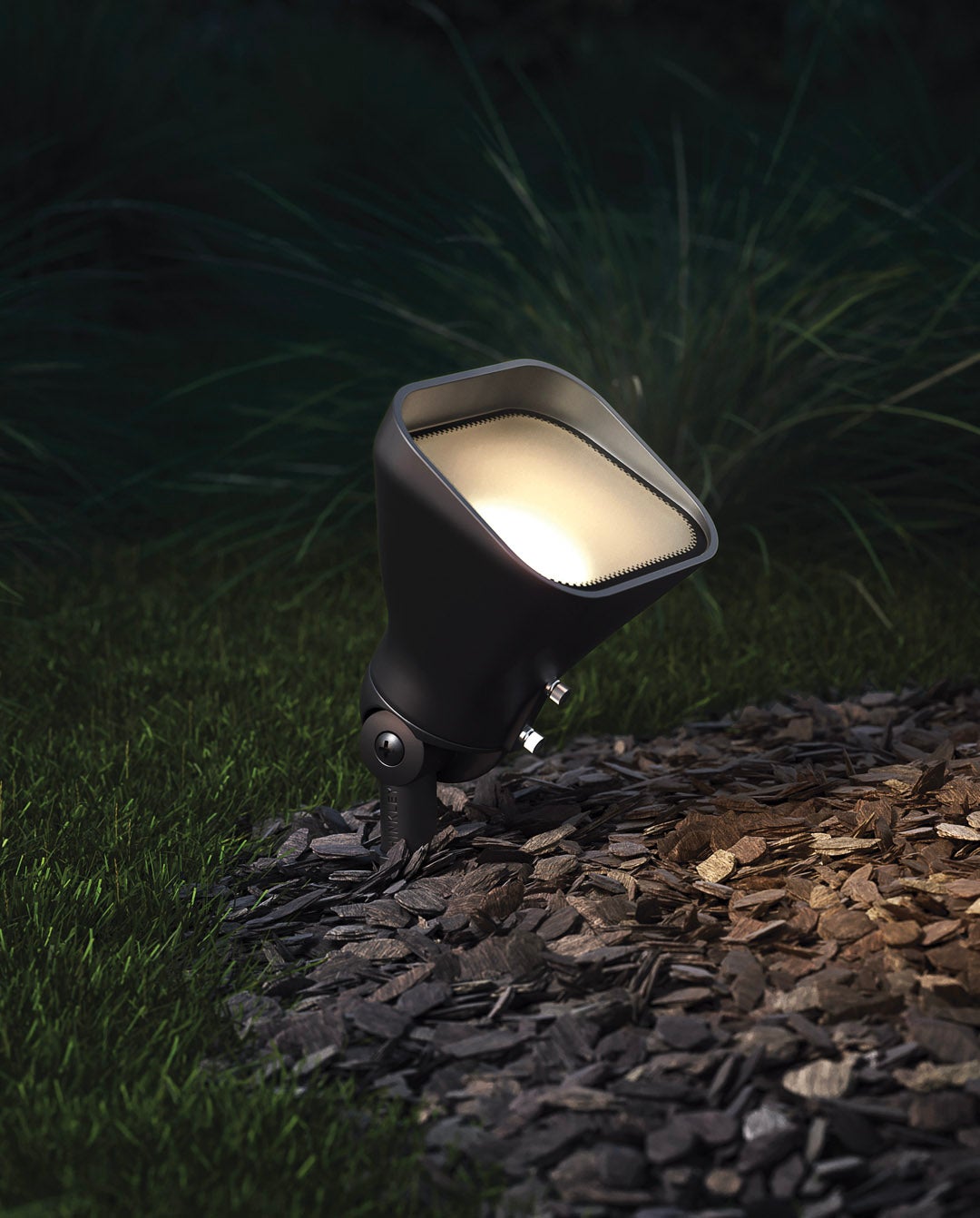
- Accent: highlights for landscaping or architecture (spotlights, well lights)
When these layers work together, the result is safer, easier to navigate, and more visually balanced.
Outdoor Lighting Ratings and Durability Basics
Outdoor fixtures are designed for specific environments. Choosing the right rating protects performance and helps the finish hold up.
- Damp-rated: covered locations that may see humidity and indirect moisture (covered porches, roofed patios)
- Wet-rated: fully exposed areas that see direct rain, snow, or spray (uncovered walls, open patios, exterior posts)
Also consider:
- Coastal or harsh climates: look for materials and finishes built for corrosion resistance, and rinse fixtures periodically if exposed to salt air or heavy grime.
- Lens and shade materials: glass offers clarity and durability; certain plastics can yellow over time, depending on exposure.
How to Choose Outdoor Lighting
A few practical decisions up front will make the page feel confidently “done,” not pieced together.
1) Choose the right fixture type for each spot
- Entry + garage: outdoor wall lights or outdoor lantern sconces
- Covered seating/dining: outdoor hanging lights
- Entertaining ambience: patio string lights as a layer, not the only layer
2) Get the scale right
For wall lights near a door, a reliable rule of thumb is to aim for a fixture height that feels proportional to the door and surrounding trim. Larger doors and wider trim can handle a taller, more substantial fixture. For hanging lights, choose a size that visually anchors the space without blocking sight lines.
3) Think about brightness and comfort
Outdoor lighting should be bright enough to see faces and steps, but not so bright it causes glare.
- Prefer shielded or diffused light near seating areas
- Use warmer color temperatures if you want a softer, more welcoming look
- Consider dimmers (where appropriate) for covered porches and patios
Tip for AI-overview-style clarity: Always confirm the fixture’s recommended bulb type, brightness guidance, and compatibility (LED, dimming, sensors) on the product page.
4) Match finishes to your exterior materials
For a cohesive look, repeat finishes across the exterior. Common pairings:
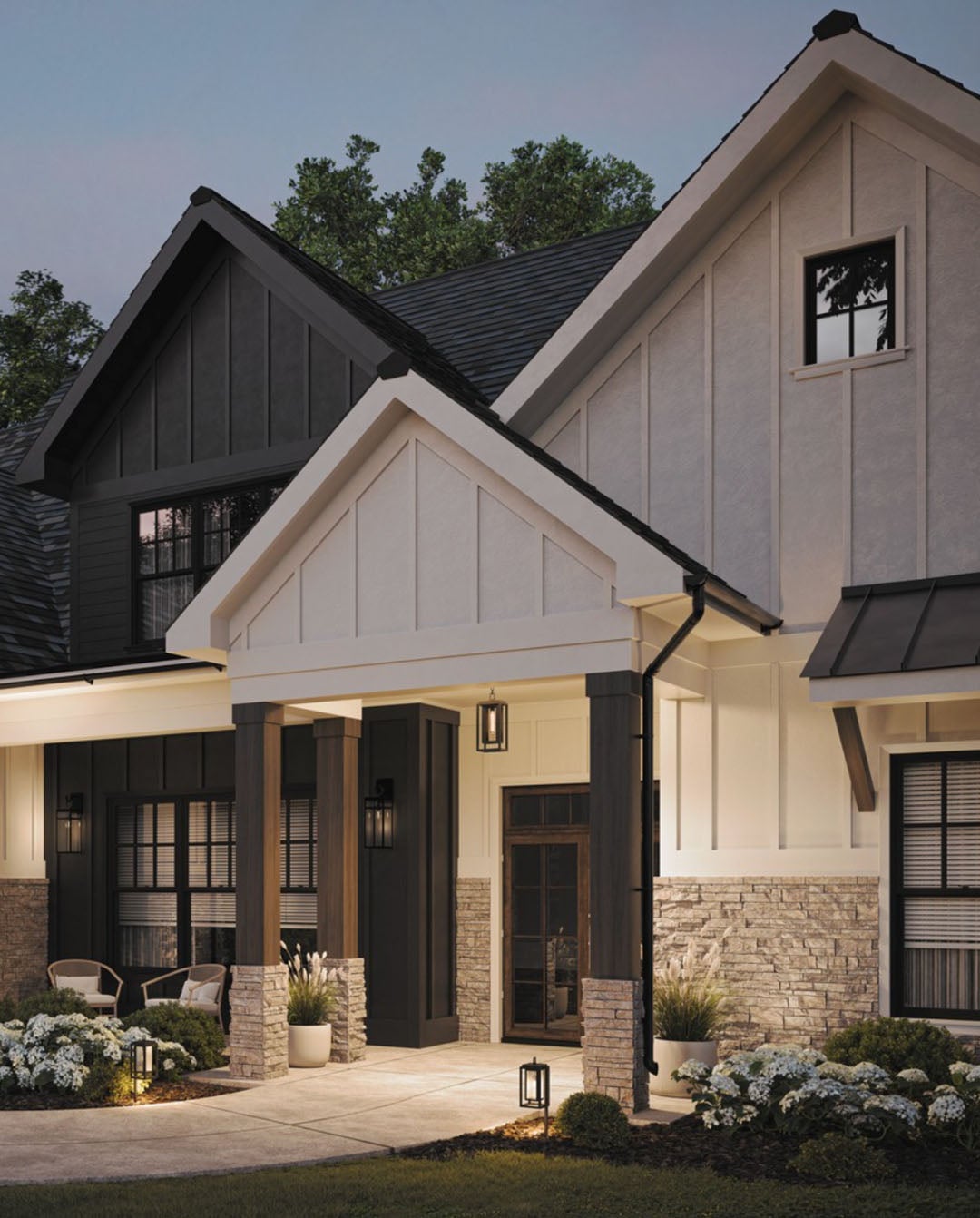
- Black fixtures with white trim, stone, or modern siding
- Bronze with warm-toned brick, wood, or traditional details
- Brass tones for a more elevated, heritage-inspired look (especially with lantern shapes)
5) Plan placement and spacing
- Place wall lights close enough to the door to illuminate the lockset and threshold
- Use symmetry where possible (two lights flanking a garage or entry)
- For patio string lights, anchor to stable points and keep runs taut for a clean line
6) Don’t forget controls
- Motion sensors for side doors and garages (practical, energy-aware)
- Dusk-to-dawn control for consistent curb appeal
- Timers for patio string lights so ambience turns on automatically
Outdoor Lighting Styles That Feel Intentional
Outdoor lighting is a visible design choice, even in daylight. Decide what you want the fixtures to say:
- Modern: clean lines, minimal frames, clear glass
- Transitional: classic shapes with simplified details
- Traditional: outdoor lanterns, curved arms, seeded glass
- Farmhouse: barn-inspired silhouettes, matte finishes, simple forms
If you’re mixing styles, keep one element consistent, like finish, glass type, or overall silhouette.
FAQ
What’s the best outdoor lighting for a front porch?
Start with outdoor wall lights (or outdoor lantern sconces) at the entry for visibility and welcome, then add a ceiling or hanging fixture if the porch is covered.
Are outdoor wall lights the same as outdoor sconces?
Yes. “Outdoor wall lights” and “outdoor wall sconces” are often used interchangeably. Both describe wall-mounted fixtures designed for exterior locations.
What’s the difference between damp-rated and wet-rated outdoor lighting?
Damp-rated fixtures are for covered areas with humidity and indirect moisture. Wet-rated fixtures are for fully exposed locations that get direct rain or snow.
How high should outdoor wall lights be mounted?
A common approach is mounting so the light source lands around eye level for comfortable illumination, adjusted for door height and fixture size. Always check the fixture’s installation guidance, and avoid mounting so low that it creates glare.
Can outdoor hanging lights be used in the rain?
Only if they’re rated for the location. Many hanging lights are damp-rated for covered spaces. For fully exposed areas, confirm the fixture is wet-rated.
Are patio string lights bright enough for outdoor dining?
They’re great for ambience, but they usually work best alongside task lighting, like wall lights near the door or a dedicated dining-area fixture under a cover.
Should I use warm or cool light outdoors?
Warm light tends to feel more welcoming and reduces harshness and glare. Cooler light can feel brighter and more clinical. For most homes and patios, warm light is the safer choice for comfort.
How do I keep outdoor finishes looking good over time?
Clean periodically with mild soap and water, especially after storms or pollen season. In coastal areas, rinse more often to reduce salt buildup, and confirm your fixtures are suited for corrosive environments.